Spec Battle: Honor Magic 8 Pro vs Poco X8 Pro Max — Is It Worth Upgrading?
Category: Mobile Phones
The smartphone market often forces buyers to choose between two directions: premium flagships that push design and camera boundaries, and aggressively priced "value" contenders that squeeze performance and battery life into a lower price bracket. The Honor Magic 8 Pro and the Poco X8 Pro Max sit on opposite sides of that axis. This article breaks down what each phone actually offers in everyday use, compares their strengths and weaknesses in detail, and helps readers decide whether upgrading from a current device or switching between these two models makes sense for their needs.
Introduction: what this comparison covers
This is a practical spec-focused comparison aimed at buyers who care about real-world use: display quality for streaming and gaming, performance for daily apps and multitasking, camera results in typical lighting, battery life for a full day or more, and software & update policy. Rather than a list of marketing bullet points, the analysis emphasizes how those specs translate into user experience — the kind of differences that matter when choosing a new phone.
Product overviews
Honor Magic 8 Pro — the premium proposition
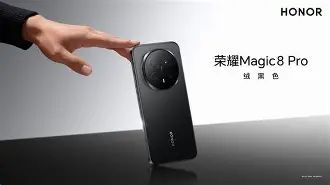
The Honor Magic 8 Pro is positioned as Honor’s premium offering with a focus on polished hardware, refined display technology, and camera capability that aims to rival other flagship devices. It targets users who want a premium screen, smooth performance under demanding workloads, and a camera system tuned for versatile photography without having to step into the very top price tier of some legacy flagship brands.
Poco X8 Pro Max — value-oriented power
The Poco X8 Pro Max is built around one idea: maximum value. It typically pairs a generous display with long-lasting battery life and a performance-oriented chipset at a price that undercuts many competitors. This model is for buyers who prioritize battery endurance, fast charging, and raw cost-to-performance ratio, while tolerating compromises in materials, camera refinement, or long-term software support.
Design and build: feel, weight, and durability
Both phones target different trade-offs in design. The Magic 8 Pro generally emphasizes a more premium fit and finish — glass and metal constructions, curved displays and slimmer bezels that create a more refined hand-feel. The Poco X8 Pro Max commonly takes a practical approach: robust plastic or mixed-material builds that favor lower weight for the battery capacity it houses, with textured finishes and bold color options.
For users who carry their phones pocket-to-pocket, the Magic 8 Pro’s slimmer profile and premium materials communicate a luxury feel and may resist scratches and micro-scrapes differently than the Poco's more utilitarian finish. Conversely, those who favor drop resilience and lighter overall weight during long sessions will appreciate the Poco’s sturdier, less fragile composition.
Display: brightness, color and refresh
Screen quality is one of the most tangible differences. The Magic 8 Pro often includes a higher-fidelity OLED panel with strong color accuracy, deeper blacks, and higher sustained brightness for outdoor viewing. It may also support adaptive high refresh rates and HDR formats, which benefits content consumption and gaming with smoother motion and better contrast.
The Poco X8 Pro Max usually offers a large IPS or LCD/AMOLED panel (depending on the region) with a strong focus on size and high refresh rate — excellent for gamers and media consumers who want a big canvas. The Poco’s panel tends to be calibrated for punchy colors and high peak brightness for short bursts, but it can fall short of the nuanced color reproduction and contrast of a flagship OLED.
Performance: chipset, RAM and real-world speed
Performance is where positioning matters most. The Magic 8 Pro targets flagship-level snappiness, excelling in multitasking, demanding apps, and sustained performance thanks to higher-end silicon and thermal tuning. This translates to consistently smooth animations, faster photo processing, and better handling of heavy games at higher settings.
The Poco X8 Pro Max focuses on delivering strong value — a capable mid-to-upper-range chipset, solid RAM configurations, and an emphasis on thermal efficiency to support long gaming sessions. In day-to-day use, it handles social apps, multitasking, and games well, though it may throttle earlier than a premium device when pushed to sustained maximum performance.
Cameras: versatility vs value
Cameras are a common deciding factor. The Magic 8 Pro typically features a more sophisticated camera system with larger sensors, broader dynamic range, and software tuned for realistic colors and computational photography benefits (night mode, portrait bokeh, multi-frame HDR). This translates into better low-light shots, more controlled highlights, and finer detail recovery in challenging scenes.
Looking for the best Mobile Phones deals on Amazon?
Shop Amazon →The Poco X8 Pro Max generally includes a competent main sensor and additional auxiliary lenses (ultrawide, macro or depth), optimized for daylight performance and social-media-ready photos. It delivers great value for casual photographers who prioritize bright, shareable photos — but it may lag behind the Magic 8 Pro in low-light, telephoto reach, and image processing subtlety.
Battery and charging: longevity and convenience
Battery life is one of the most practical considerations for everyday users. The Poco X8 Pro Max often emphasizes large battery capacity and extremely fast wired charging, designed to get heavy users through extended use and rapid top-ups when needed. That makes it an excellent choice for travelers, commuters, and mobile gamers who need long runtimes and minimal downtime.
The Honor Magic 8 Pro balances battery capacity with efficiency built into higher-end displays and chipset optimization. Charging speeds are typically competitive, and depending on region, may offer fast wired and wireless options. For users who value a fast wireless charging option and a balanced approach to daily battery life, the Magic 8 Pro is compelling.
Software and updates
Software experience affects everything from daily interaction smoothness to long-term value. Honor’s software layers aim to be feature-rich with refined animations, camera features, and a curated settings experience. Historically, Honor has improved its update cadence, but prospective buyers should confirm the guaranteed OS and security patch timelines before purchasing.
Poco ships with a feature-heavy Android fork that prioritizes customization and performance options. While it can expose more control to power users, Poco’s update cadence and long-term support can vary by market. Buyers should weigh the immediate functionality against how many major OS upgrades they expect over the phone’s lifetime.
Connectivity and extras
Both phones typically offer the connectivity essentials: 5G, Wi‑Fi 6/6E (market-dependent), Bluetooth, NFC (market-dependent), and dual-SIM options. Magic 8 Pro’s premium positioning often brings in extras like better stereo speakers, haptics, IP-rated water resistance, and wireless charging. Poco concentrates on delivering the most value out of essential features and may omit or downscale certain premium extras to hit a price point.
Comparison table
| Category | Honor Magic 8 Pro | Poco X8 Pro Max |
|---|---|---|
| Positioning | Premium / near-flagship | Value / upper-midrange |
| Build & Design | Glass & metal, refined finish, slimmer bezels | Practical materials, lighter for battery, bold styling |
| Display | High-fidelity OLED, strong color accuracy, high refresh | Large high-refresh panel, punchy colors, great for media |
| Performance | Flagship-class tuning, sustained performance | Strong day-to-day and gaming performance for price |
| Camera | More versatile, better low-light and processing | Good daylight photos, fewer advanced computational features |
| Battery & Charging | Balanced capacity with efficient hardware; competitive charging | Large capacity, very fast wired charging—longer runtime |
| Software | Feature-rich, refined UI; check update policy | Highly customizable; update cadence varies by region |
| Extras | Wireless charging, likely IP rating, stronger haptics | Value-focused extras, fewer premium conveniences |
| Best for | Users who want premium feel, better camera and display | Users who want battery life and value-driven specs |
Pros & cons
Honor Magic 8 Pro
- Pros: Premium design and materials; excellent display quality and color fidelity; refined camera system with strong low-light performance; polished software experience; likely better sustained performance under load.
- Cons: Higher price than value-focused rivals; less battery capacity per dollar compared with budget powerhouses; possible regional differences in software update schedules.
Poco X8 Pro Max
- Pros: Excellent value for money; large battery and very fast charging; strong everyday and gaming performance for the price; typically bold, practical design.
- Cons: Camera system is less refined in low light and computational photography; build materials trade premium feel for lighter weight or cost savings; software updates and long-term support can vary.
Real-world use cases — who should pick which phone?
Evaluating phones by use case helps translate specs into decisions:
- Mobile photographers and social creators: The Honor Magic 8 Pro will appeal more to those who want consistently better camera results across lighting conditions, prefer realistic color and dynamic range, and benefit from computational photography features.
- Power users and gamers on a budget: The Poco X8 Pro Max is attractive for those who prioritize long gaming sessions, large displays, and rapid charging. It’s a pragmatic pick for users who accept compromises in camera finesse for longer battery life and lower cost.
- Daily commuters and business users: If a user spends long hours away from chargers, the Poco’s battery advantage often wins. If they rely on the phone for polished video calls, better microphones, and a premium screen for reading and presentations, the Magic 8 Pro is the better fit.
- Long-term owners: Buyers who keep phones for several years should weigh software update guarantees and hardware durability; premium devices tend to have longer perceived longevity, but check actual OS/security update promises from each brand.
Buying guide: how to choose between them
When deciding between the Honor Magic 8 Pro and the Poco X8 Pro Max, consider the following checklist and prioritize the items that matter most in daily life.
1. Prioritize screen and media quality?
Choose the Honor Magic 8 Pro. Its higher-fidelity display and likely better brightness and color accuracy make it worth it for streaming, photo editing, and reading.
2. Need the longest battery life and fastest top-up?
Choose the Poco X8 Pro Max. Its focus on large battery capacity and fast wired charging suits frequent travelers, gamers, and power users who prize runtime above all.
Looking for the best Mobile Phones deals on Amazon?
Browse Now →3. Is photography a priority?
Honor’s camera processing and sensor choices typically give it an edge, especially in low light and for portrait or landscape shots where dynamic range and detail matter.
4. Are you budget-conscious but want strong performance?
Poco aims to deliver performance per dollar, making it a smart buy if price-to-performance is the primary metric and premium refinements are secondary.
5. How important are software updates?
Check the manufacturer’s official update policy. If long-term OS updates and security patches are a deciding factor, prefer the brand with clearer, longer support commitments.
6. Check regional variants and local support
Both phones may have different hardware or software variants depending on the market. Verify features like NFC, band support, warranty service, and exact charging specs for the model sold in the buyer’s region.
Final verdict: is it worth upgrading?
The decision to upgrade hinges on what the current phone lacks and what the user values most. If moving from an older midrange handset that struggles with performance, battery, or camera quality, either phone is a meaningful upgrade — choose the Honor Magic 8 Pro for a more premium, balanced experience, or the Poco X8 Pro Max for longer battery life and greater bang-for-buck.
For owners of recent flagships, the upgrade calculus depends on priorities: those after improved camera versatility, a more refined display, or premium extras (wireless charging, water resistance) will likely find the Magic 8 Pro worthwhile. Conversely, if current needs center on extended battery runtime and faster wired charging without spending flagship money, the Poco X8 Pro Max might represent a practical lateral move rather than a step forward in every category.
Ultimately, the Magic 8 Pro sells the idea of refinement and rounded performance, while the Poco X8 Pro Max sells practical power and endurance at a lower price. Buyers should match those propositions against their daily habits — photography, gaming, commuting, or long-term software support — and select the device that best aligns with the features they will use most.

Conclusion
Both the Honor Magic 8 Pro and the Poco X8 Pro Max have clear, defensible reasons to exist: one leans premium and polished, the other leans practical and powerful for the price. The right choice depends on whether the buyer prioritizes display and camera refinement or battery endurance and price-performance. Evaluating the concrete needs of daily life — whether longer screen time, better low-light photos, or rapid charging between tasks — will lead to the option that is truly worth upgrading to.