Don't Buy Until You Read This: Samsung Qs750F vs Yamaha True X Surround 90A
The landscape of home audio has undergone a dramatic transformation in recent years, moving away from bulky stacks of amplifiers and tangled webs of copper wire toward sleek, integrated solutions that promise cinema-quality sound with minimal footprint. For the modern homeowner or apartment dweller, the choice often boils down to two heavyweight contenders that represent the pinnacle of modern soundbar engineering. On one side, we have the Samsung Qs750F, a powerhouse that leverages the massive research and development resources of a global tech giant specializing in digital integration. On the other, the Yamaha True X Surround 90A represents the "True Sound" philosophy of a company with over a century of experience in musical instrument manufacturing and professional audio engineering. Choosing between these two is not merely a matter of checking specification boxes; it is about deciding which sonic philosophy best fits your living space, your media consumption habits, and your personal relationship with sound.
Prospective buyers are often faced with a paradox of choice. Both systems offer Dolby Atmos support, wireless connectivity, and sophisticated room calibration. However, they arrive at their destinations via very different paths. The Samsung Qs750F is designed to be the ultimate companion for a high-tech ecosystem, prioritized for impact, clarity, and seamless interaction with QLED and OLED displays. Meanwhile, the Yamaha True X Surround 90A focuses on modularity and acoustic purity, offering a unique "portable surround" concept that challenges the traditional limitations of fixed-position audio hardware. This article provides an exhaustive deep dive into how these systems perform in real-world environments, from the high-octane explosions of summer blockbusters to the delicate nuances of a jazz ensemble.
The Samsung Qs750F: The Ecosystem Powerhouse
The Samsung Qs750F is built for the user who wants an "out-of-the-box" cinematic experience that feels like an extension of their television. Samsung has spent years refining its Q-Symphony technology, and the Qs750F is perhaps the best manifestation of this effort. When paired with a compatible Samsung TV, the soundbar doesn't just replace the TV speakers; it integrates them, using the television’s top and side speakers to heightening the soundstage and add an extra layer of verticality to the Dolby Atmos experience. This creates a wall of sound that feels significantly larger than the physical dimensions of the bar itself.
Under the hood, the Qs750F utilizes an 11.1.4 channel configuration. This means it has eleven horizontal channels, one dedicated subwoofer channel, and four up-firing drivers intended to bounce sound off the ceiling. The primary bar houses the center, left, and right channels, along with side-firing drivers that widen the soundstage to the walls of the room. The inclusion of dedicated rear speakers with their own up-firing drivers is what truly separates this from mid-range bars. In a standard living room, this results in a bubble of sound where rain feels like it is falling from above and a vehicle passing on screen moves convincingly behind your viewing position. The digital processing is aggressive but impressive, utilizing SpaceFit Sound Pro to analyze the room's acoustics via a built-in microphone and adjust the equalization in real-time to prevent muddy bass or harsh high frequencies.
One of the most notable features of the Qs750F is its "Game Mode Pro." Samsung understands that a large segment of their audience consists of gamers. By utilizing the 60Hz/120Hz pass-through capabilities, the bar ensures that there is zero lag between the visual action and the sonic response. The directional audio in gaming is particularly sharp; you can hear the specific rustle of grass or the distant click of a reloading weapon with pinpoint accuracy, providing a competitive edge that standard TV speakers simply cannot match.
Pros and Cons of the Samsung Qs750F
- Pros: Massive 11.1.4 channel count provides an incredibly immersive 360-degree sound field.
- Pros: Seamless Q-Symphony integration for owners of Samsung televisions, creating a unified audio-visual experience.
- Pros: Exceptional performance in action movies and gaming due to aggressive, punchy bass and sharp transients.
- Pros: Advanced SpaceFit Sound Pro calibration handles difficult room shapes and hard surfaces remarkably well.
- Cons: The aesthetic design is somewhat industrial and may not blend into more traditional or rustic home decors.
- Cons: Music performance can occasionally feel slightly "processed" compared to high-fidelity stereo systems.
- Cons: Peak performance is heavily dependent on having a compatible Samsung TV ecosystem.
The Yamaha True X Surround 90A: Acoustic Purity and Modularity
The Yamaha True X Surround 90A takes a decisively different approach. Yamaha’s heritage is rooted in the "True Sound" concept, which aims to reproduce the intent of the artist without artificial coloration. The True X 90A (also known as the SR-X50A in some markets when bundled with the subwoofer) is a 4.1.2 system on paper, but numbers do not tell the whole story here. Yamaha focuses on driver quality and chamber design over sheer channel count. The result is a much more natural, musical sound signature that many audiophiles prefer for critical listening.
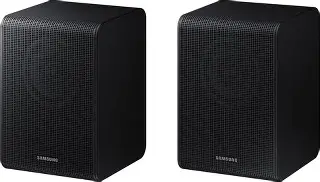
The defining innovation of the True X system is its modularity. The rear speakers (the WS-X1A units) are not just wireless surround speakers; they are portable Bluetooth speakers. Usually, these remain docked and plugged in behind your sofa, acting as the rear channels for your home theater. However, with a simple button press, you can pick one up, carry it into the kitchen or onto the patio, and use it as a standalone speaker. For those living in smaller apartments or those who value versatility, this is a game-changer. It eliminates the need for separate audio solutions in different rooms.
Technically, Yamaha utilizes its proprietary Clear Voice technology and a dedicated Bass Extension feature. While Samsung goes for "big" bass, Yamaha aims for "accurate" bass. The wireless subwoofer included with the 90A is tuned to provide a tight, controlled low end that complements the mid-range rather than overpowering it. This makes the system particularly adept at handling dialogue-heavy dramas and acoustic music. The Dolby Atmos implementation is handled through two dedicated up-firing drivers in the main bar, and while it doesn't have the rear up-firing drivers of the Samsung, Yamaha’s sophisticated Cinema DSP processing recreates the "height" sensation with surprising effectiveness by manipulating the timing and phase of the audio signals.
Shop the latest Audio & Headphones picks on Amazon.
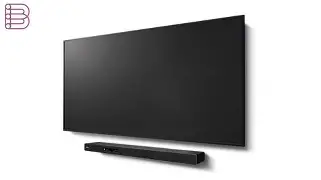
Shop Amazon →Yamaha's design language is also more understated. Wrapped in a high-quality fabric mesh with a slim profile, the bar sits lower to the furniture, ensuring it won't block the bottom of your TV screen or the IR sensor. It feels less like a piece of "tech" and more like a piece of high-end furniture.
Pros and Cons of the Yamaha True X Surround 90A
- Pros: Unrivaled modularity with rear speakers that double as high-quality portable Bluetooth speakers.
- Pros: Excellent musicality and natural tonal balance, making it the superior choice for music enthusiasts.
- Pros: Sleek, low-profile design with premium fabric finish that fits any interior aesthetic.
- Pros: Exceptional dialogue clarity via the Clear Voice processing, even at lower volumes.
- Cons: Fewer physical channels compared to the Samsung, leading to a slightly less "dense" surround bubble.
- Cons: Lacks the specific 120Hz HDMI 2.1 pass-through features found in dedicated high-end gaming bars.
- Cons: The portable speakers require manual charging if used away from their base for extended periods.
Head-to-Head Comparison
To truly understand which system belongs in your living room, we must look at how they stack up across the key metrics that affect daily usage. While both support the latest audio formats, their architectural differences lead to distinct experiences.
| Feature | Samsung Qs750F | Yamaha True X 90A |
|---|---|---|
| Channel Configuration | 11.1.4 Channels | 4.1.2 Channels (Expandable) |
| Dolby Atmos / DTS:X | Yes (Physical up-firing rears) | Yes (Virtual/Physical hybrid) |
| Rear Speakers | Dedicated, wireless, fixed | Modular, portable, Bluetooth enabled |
| Subwoofer | 8-inch, Bass Reflex | 6.25-inch, High-Output |
| Room Calibration | SpaceFit Sound Pro | Automatic via Controller App |
| Connectivity | HDMI eARC, 4K/120Hz Pass-through | HDMI eARC, 4K Pass-through |
| Smart Integration | SmartThings, Alexa, Google | Yamaha Controller, Alexa Built-in |
| Sound Signature | Dynamic, Powerful, Cinematic | Balanced, Detailed, Musical |
The Real-World User Experience: Which One Fits Your Life?
Choosing between these two systems often comes down to the "Living Room Environment." Let’s examine three typical use cases to see how these bars perform in the field.
Scenario A: The Dedicated Movie Buff
If you have a dedicated media room or a large living area where the primary goal is to replicate the IMAX experience, the Samsung Qs750F is the clear winner. The sheer number of drivers allows for a level of sound "object" placement that the Yamaha cannot quite match. During a scene with a helicopter flying overhead, the Samsung's rear up-firing drivers create a ceiling-to-floor transition that is undeniably impressive. If your walls are solid and your ceiling is flat, the sound reflections will create a genuine hemisphere of audio that makes you feel part of the environment. The Samsung is built for the "spectacle."
Scenario B: The Multi-Purpose Apartment
In a modern apartment where space is a premium and the living room often serves as an office or a dining area, the Yamaha True X Surround 90A shines. The fact that the rear speakers don't need to be permanently wired or fixed in one spot is a massive advantage. You can set them up for a movie on Friday night, but on Saturday morning, you can take one to the kitchen to listen to a podcast while making breakfast. Yamaha's ability to deliver high-quality sound at lower volumes (where dialogue remains crisp without needing to crank the bass) is also a neighbor-friendly feature that shouldn't be underestimated.
Scenario C: The Gamer and Gadget Enthusiast
For the user who owns a PlayStation 5 or Xbox Series X, the Samsung Qs750F provides the technical infrastructure required for modern gaming. Its ability to pass through 4K at 120Hz is critical for maintaining high frame rates without losing HDR or VRR (Variable Refresh Rate) capabilities. Furthermore, if you already own a Samsung smartphone or tablet, the "Tap Sound" feature—which allows you to mirror audio by simply tapping your phone against the bar—makes the ecosystem feel incredibly fluid and intuitive.
Buying Guide: Key Considerations Before You Purchase
Before making a final decision, consider the following technical and environmental factors that will influence the performance of your new sound system.
Shop the latest Audio & Headphones picks on Amazon.
See Deals →1. Room Ceiling Height and Material
Both systems rely on up-firing drivers to create the height effect associated with Dolby Atmos. This technology works by bouncing sound off the ceiling. If you have vaulted ceilings (sloped), popcorn-textured ceilings, or acoustic tiling that absorbs sound, the Atmos effect will be significantly diminished. In such rooms, the Samsung's extra drivers might help compensate, but you may find that the Yamaha's clearer mid-range provides better "phantom" height through digital processing.
2. The "Sweet Spot" vs. Room Coverage
Samsung’s SpaceFit Sound Pro is excellent at widening the sweet spot, making it a great choice for families where people are sitting on different parts of a large sectional sofa. Yamaha’s True X, while still offering great dispersion, tends to favor a more centered listening position for the most accurate stereo imaging. If you often host "movie nights" with five or more people, the Samsung’s expansive sound field is the safer bet.
3. Musical Genre Preferences
If you find yourself using your soundbar as your primary music system 50% of the time, listen closely to the tonal differences. The Samsung is tuned for modern pop, hip-hop, and electronic music where the low-end "thump" is vital. Yamaha, however, excels with strings, vocals, and jazz. There is a "warmth" to the Yamaha mid-range that makes long listening sessions less Fatiguing than the more clinical, sharp delivery of the Samsung.
4. Connectivity and Future-Proofing
Check your current television's ports. To get the most out of either system, you need an HDMI eARC (Enhanced Audio Return Channel) port. Standard ARC will work but will compress high-bitrate formats like Dolby TrueHD or DTS-HD Master Audio. If you have an older TV, the Samsung’s multiple HDMI inputs allow you to plug your Bluray player or console directly into the bar, bypassing the TV’s limitations—a feature that provides significant flexibility.
Conclusion
The choice between the Samsung Qs750F and the Yamaha True X Surround 90A ultimately reveals your priorities as a listener. The Samsung Qs750F is a masterclass in digital surround sound, offering a dense, powerful, and technologically advanced experience that is hard to beat for pure cinematic impact. It is the uncompromising choice for the home theater enthusiast who wants every possible driver working to create a virtual reality for the ears, especially if they are already invested in the Samsung ecosystem.
Conversely, the Yamaha True X Surround 90A is the "smarter" choice for the versatile, modern lifestyle. It prioritizes the quality of sound over the quantity of speakers, delivering a natural, high-fidelity experience that transitions seamlessly from a blockbuster film to a classical symphony. Its innovative modular design offers a level of utility that no other system on the market currently matches, making it the ideal companion for those who value flexibility and aesthetic elegance as much as they value acoustic performance. Whichever path you choose, both systems represent a significant leap forward in the quest to bring the magic of the theater into the heart of the home.