Don't Buy the M27Q X Until You Read This Full Analysis
Introduction
The M27Q X has been attracting attention from gamers and prosumers who want a 27-inch display that promises a balance of high refresh performance, sharp QHD resolution, and modern features at a competitive price. Before anyone commits to a purchase, it helps to walk through what the monitor delivers in day-to-day use, where it compromises, and which buyers will actually benefit. This analysis breaks down the M27Q X from multiple angles—hardware, image quality, performance, ergonomics, connectivity, and long-term ownership—so readers can make a fully informed decision.
What the M27Q X Is and Who It's For
The M27Q X is positioned as a 27-inch, QHD-class monitor aimed primarily at gamers who want a crisp 1440p canvas with a high refresh rate and low perceived lag. It targets users who play fast-paced competitive titles (first-person shooters, competitive MOBAs, and racing) as well as content creators and general users who want a sharper desktop than 1080p without moving to 4K. Its marketing emphasizes fluid motion, reasonably wide color coverage out of the box, and modern connectivity.
Detailed Product Review and Analysis
Design and Build
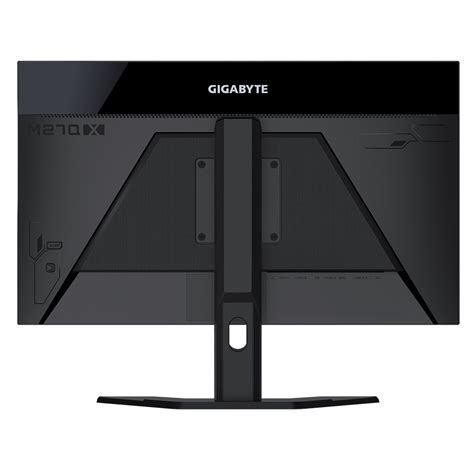
The M27Q X typically features a minimalist, matte-finish aesthetic that blends well in a desktop setup. The chassis is usually plastic with a small footprint, and many units include an ergonomic stand offering tilt, height adjustment, and swivel. Build quality in this class is generally solid though not premium; seams, textured plastics, and the feel of the adjustment mechanisms are consistent with value-to-midrange monitors rather than high-end models.
Panel and Image Quality
At its core, the M27Q X uses an IPS-type panel, which delivers good viewing angles and generally accurate color reproduction compared with VA panels. The QHD resolution (2560×1440) is the sweet spot for 27-inch screens: text and desktop elements appear sharp, and gamers get the advantage of higher pixel density without the GPU demand of 4K.
Color performance is usually strong for gaming and general content consumption: panels in this class often cover a wide slice of sRGB and a decent portion of wider gamuts. However, buyers who require color-critical precision for professional photo or video work should plan to calibrate the monitor and verify its gamut and uniformity, as factory calibration on mainstream gaming monitors is rarely sufficient for color-accurate workflows.
Refresh Rate, Response, and Motion Handling
The headline feature of the M27Q X is its high refresh-rate capability, designed to reduce motion blur and provide smoother experiences in fast titles. In practical terms, the monitor offers significantly reduced motion trail compared to 60 Hz displays, and combined with low pixel response times it delivers a responsive feel. The difference is especially noticeable in games where frame rates exceed 100 FPS.
That said, real-world perceived smoothness depends on system performance, driver stability, and adaptive-sync behavior. When paired with a capable GPU, the M27Q X performs well—but on midrange systems that cannot sustain high frame rates at QHD, the advantage is reduced.
HDR and Contrast
The M27Q X provides basic HDR support suitable for brighter highlights and improved color pop in HDR-enabled games and media. It is not a full local-dimming HDR display, so HDR benefits are limited compared to higher-end monitors with extensive zone dimming. Expect more modest gains in brightness and tone mapping rather than dramatic HDR effects. Contrast is typical for IPS-type panels: good shadow detail but not the deep blacks achievable with VA panels or OLED.
Discover deals on Electronics — updated daily.
Shop Amazon →Connectivity and Extra Features
Connectivity typically includes DisplayPort (capable of driving high refresh QHD), HDMI inputs, and a USB hub in many configurations. Some units include integrated speakers—useful in cramped setups but usually insufficient as a primary audio solution. Other convenience features may include on-screen display (OSD) presets for game genres, crosshair overlays, and low-latency modes for competitive play.
Calibration, Uniformity, and Real-World Testing
Out of the box, most M27Q X units offer a pleasing image for gaming and streaming video, but they can benefit from minor calibration to align white point and gamma. Backlight uniformity is acceptable for most users, but like other IPS panels there can be edge bleed or slight clouding under dark scenes. Buyers who watch a lot of dark movies or do critical grading work should inspect unit-to-unit variation or opt for models with stronger uniformity guarantees.
Performance in Real-World Use Cases
Competitive and Esports Gaming
For competitive gamers, the M27Q X delivers the responsive frame pacing and clarity that reduce perceived input lag and make tracking targets easier. The combination of high refresh and low persistence response helps with rapid target reacquisition in shooters and smoother camera pans in racing titles.
Single-Player and Cinematic Gaming
Single-player gamers benefit from the higher resolution and wider color than 1080p displays. Visual fidelity improves textures and UI legibility, while HDR gives modest enhancement to highlight detail. However, the lack of full local dimming means cinematic HDR effects are limited.
Content Creation and Productivity
Photographers and editors will appreciate the increased pixel density for timeline and workspace real estate, but should not rely on factory accuracy. Productivity tasks such as spreadsheets, coding, and multitasking are comfortable on 27" QHD without scaling issues. The ergonomic stand and VESA compatibility help in multi-monitor or adjustable desks.
Console Use and Cross-Platform Considerations
Console gaming depends on HDMI capabilities. If the M27Q X uses HDMI 2.0, consoles are limited to 1440p/60–120Hz variants depending on the console and game. Buyers who plan to use next-generation consoles at native 4K/120Hz should verify HDMI version support; otherwise a PC-first buyer will get the most benefit.
Pros & Cons
- Pros
- High refresh rate and low response make it excellent for fast-paced competitive gaming.
- QHD (2560×1440) on a 27-inch panel strikes a strong balance between sharpness and GPU load.
- IPS-type panel provides wide viewing angles and pleasing color for gaming and streaming.
- Ergonomic stand options and VESA compatibility suit varied desk setups.
- Modern connectivity usually includes DisplayPort and multiple HDMI inputs plus USB hub options.
- Cons
- HDR support is basic—no full local dimming—so HDR effects are limited.
- Factory color calibration and uniformity vary; professionals will need a hardware calibrator.
- Build quality and extras (speakers, USB-C power delivery) may be limited versus premium displays.
- Model and firmware variations across regions can affect refresh limits and feature sets.
- Edge bleed and IPS glow are possible in dark scenes, as with most IPS panels.
How the M27Q X Compares (Quick Table)
| Model | Panel Type | Resolution | Refresh Rate | HDR | Best For |
|---|---|---|---|---|---|
| M27Q X | Fast IPS / IPS-type | 2560×1440 (QHD) | High (typically marketed in the high refresh range) | Basic HDR (HDR400-class or equivalent) | Competitive gaming, general content, productivity |
| Competitor A (example) | IPS | 2560×1440 | Up to 165–240 Hz | Basic HDR | Balanced gaming with good color |
| Competitor B (example) | VA | 2560×1440 | 144–240 Hz (some models) | Limited HDR (better contrast) | Gamers who value deeper blacks |
Buying Guide: What to Check Before Pulling the Trigger
1. Match the Refresh Rate to System Capability
High refresh monitors shine only when paired with a GPU and game settings that deliver high frame rates. If a user’s GPU struggles at native QHD, consider whether to lower settings, enable frame-limiting and adaptive-sync, or select a different monitor with a lower native resolution that yields higher frame rates.
2. Verify Adaptive Sync and Compatibility
Confirm the monitor's support for FreeSync and whether it is officially compatible with G-Sync or G-Sync Compatible modes. This reduces tearing and stutter when frame rates vary. Buyers using laptops with hybrid GPUs should test or verify compatibility with their hardware.
3. Inspect the OSD and Ergonomics
Many gaming monitors include useful OSD features—aiming reticles, FPS counters, and picture presets—but the quality of the OSD menus varies. Ensure the stand provides enough height adjustment, tilt, and swivel for comfortable use, or confirm VESA compatibility for an arm mount.
Find top-rated Electronics products at great prices.
Shop Amazon →4. Check HDR Implementation
Marketing often overstates HDR; check reviews to understand whether HDR delivers meaningful improvements. For true HDR mastery with deep contrast, local-dimming displays or OLEDs are superior but more expensive.
5. Evaluate Connectivity for Your Devices
Verify DisplayPort and HDMI versions, USB-C presence (and whether it supports power delivery), and the presence of a USB hub if peripherals will be connected. For console owners, safe HDMI support for the intended resolution and frame rate is essential.
6. Consider Calibration and Warranty
Buyers who need reliable color for editing should budget for calibration hardware or select a monitor with factory calibration certificates. Also, investigate the warranty and RMA policy in your region—some brands offer panel replacement guarantees that matter if the unit has defects or dead pixels.
7. Read Unit-Specific Reviews and Firmware Notes
Different production runs and regional SKUs can have different firmware limits on refresh or other features. Consult hands-on reviews and user feedback to surface issues like firmware bugs, backlight uniformity problems, or driver incompatibilities.
When the M27Q X Is a Good Buy
The M27Q X is a compelling option when a buyer wants a 27-inch QHD display that prioritizes smooth motion and responsiveness without stepping up to the price and GPU demands of 4K. It is a natural choice for PC gamers who play at high frame rates, streamers who want a pleasing image, and general users who appreciate the balance of resolution, size, and performance.
When to Look Elsewhere
If a buyer's top priorities are deep HDR with local dimming, true professional-grade color accuracy, or a premium metal-and-glass build with extensive peripheral features (like integrated KVM/PD over USB-C at high wattage), the M27Q X may not be the right fit. Likewise, console-first buyers aiming for 4K@120Hz experiences should confirm HDMI specs or consider a different model targeted at console performance.
Conclusion
The M27Q X sits squarely in the sweet spot for many PC gamers and prosumers: it brings QHD sharpness to a 27-inch panel with the motion clarity that higher refresh rates provide, packaged in a design that covers most everyday needs. It does not, however, claim flagship-level HDR or professional color performance. Buyers should weigh the value of high refresh QHD against their GPU capabilities, confirm adaptive-sync and connectivity options that match their hardware, and check hands-on unit reviews for firmware and uniformity quirks. When those checks align, the M27Q X offers a capable, balanced choice; otherwise, shoppers should compare specific alternatives that emphasize the features they prioritize.